
Sometimes raising livestock means you dive in headfirst and encounter a steep learning curve. Lots of mistakes usually occur as well, unfortunately. But it seems that is just a fact of life. There are some pursuits that are more likely to have well-researched information and those that don't, so it's nice to see someone publish a resource on raising goats that is based on natural practices and direct experience. Raising Goats Naturally, the Complete Guide to Milk, Meat, and More by Deborah Niemann seems to fit the bill and would be an ideal book for someone just getting started with goat ownership.
I have to totally support her statement,
"Even if we owned goats for a hundred years, we would still be learning." So true but so hard to grasp when you just want to know how to do something right! Even when we help out with other farm's barn chores from the same 4H club, there are so many different ways to achieve the same outcomes depending on your space, available feed, and mix of animals in your herd. Regardless, Deborah's chapter "Day-to-Day Life With Goats" would be an awesome read for anyone wondering if new goat ownership is right for them.
For myself, I particularly enjoyed her chapter on feeding. She made several points that I plan on considering with our own herd, namely feeding alfalfa pellets for more economical usage of alfalfa...our girls waste so much of their alfalfa...and sourcing a concentrate with higher amounts of copper. Good food for thought for sure.
Since the majority of our goat herd has Nigerian Dwarf influence, I also enjoy her anecdotal stories from her own Nigerian Dwarf herd as many resources do not take this breed into account. Overall, I would definitely consider this book as a permanent part of our household library. Read and enjoy!
 |
About Me
Friday, April 4, 2014
Raising Goats Naturally


Monday, March 31, 2014
Spring Kidding Season
When the first week of April rolls around, we will officially begin our 2014 kidding season. We have seven bred does this year, ranging from our foundation miniature Toggenburg doe, Kari, down to our newest Nigerian doe acquisition, Sweetie. The whirlwind should be over by the end of April, and we will be bursting at the seams with plenty of goat kids to fit a multitude of purposes...from city goat to homesteader and everywhere in between. Stay tuned...
|
Friday, March 16, 2012
Spring Chores on the Farm
The hobby farm is unique in that it is not the only occupation one might have. Mother. Teacher. Wife. Chauffeur. But nevertheless, time must be carved out to tend to what needs to be done. Take this past Saturday...

As we are getting close to our four miniature goats kidding at the end of March, it was time to give everyone here their annual CDT booster. That would include Mr. Mo the buck, all dry does, plus the mamas-to-be.
The buck pen was in desperate need of cleaning. His granulated minerals needed refilling. New water buckets set out so that the others could be put through a cycle of cleaning. His salt block needed to be refreshed. Just all the little things that need time and attention to keep your animals healthy.

Only one of our Indian runner drakes has survived the predators around here but at least a wild mallard has currently befriended him...completely another story. Regardless, they needed moved back to the garden area after their last escape so that they could begin again to conquer our slug problem there. There is plenty of foraging there for them, but they still do need a water source, so locating and setting that up was added to the things-to-get-done before it starts pouring rain again list.

At this point in the year, if the sun does manage to come out, we might actually creep up to 50 degrees or so. When that happens, the horses do like to get out of their blankets for a good roll in the pasture and a little more surface area to soak up those warm rays without getting sweaty and sticky under their blankets. And that was the case on this Saturday. Off came their blankets and did they ever sure enjoy it. But of course, the flip-side is to remember to get them back on before nightfall. Nature dictates that one, it will either start raining again, or two, the skies will remain clear and then the temperatures will drop. Blankets back on regardless.
So as enjoyable as our backyard homestead is, it does come with a certain investment of time and effort. But compared to being stacked like cord wood on a small city lot somewhere, I just smile and am perfectly content.
As we are getting close to our four miniature goats kidding at the end of March, it was time to give everyone here their annual CDT booster. That would include Mr. Mo the buck, all dry does, plus the mamas-to-be.
The buck pen was in desperate need of cleaning. His granulated minerals needed refilling. New water buckets set out so that the others could be put through a cycle of cleaning. His salt block needed to be refreshed. Just all the little things that need time and attention to keep your animals healthy.
Only one of our Indian runner drakes has survived the predators around here but at least a wild mallard has currently befriended him...completely another story. Regardless, they needed moved back to the garden area after their last escape so that they could begin again to conquer our slug problem there. There is plenty of foraging there for them, but they still do need a water source, so locating and setting that up was added to the things-to-get-done before it starts pouring rain again list.
At this point in the year, if the sun does manage to come out, we might actually creep up to 50 degrees or so. When that happens, the horses do like to get out of their blankets for a good roll in the pasture and a little more surface area to soak up those warm rays without getting sweaty and sticky under their blankets. And that was the case on this Saturday. Off came their blankets and did they ever sure enjoy it. But of course, the flip-side is to remember to get them back on before nightfall. Nature dictates that one, it will either start raining again, or two, the skies will remain clear and then the temperatures will drop. Blankets back on regardless.
So as enjoyable as our backyard homestead is, it does come with a certain investment of time and effort. But compared to being stacked like cord wood on a small city lot somewhere, I just smile and am perfectly content.
|
Tuesday, February 28, 2012
Waiting for Spring
Waiting. Waiting. Waiting.
Waiting for cloudless days. Waiting for the mud to dry. Waiting for the right time to spend a chunk of time outside without being cumbersomely bundled up.
Waiting for spring.

But perhaps I've waited long enough.
So...no more waiting. I just need to get out and do...or I will have blown my window of opportunity to wake up the garden and get things rolling.
So last night, H-Bob and I pulled out our seed collection. We surprisingly have leftover seeds from most of what we usually plant, although I did notice that quite a few were purchased in 2009 which is pushing viability a bit. On our next trip to the local farm store together, we plan on taking our list and browsing the seed racks. There's always something new to try...like celery...or a different variety of tomato or pepper to attempt. Just one of the beauties of growing your own veggies...it's just never the same.

Our next step will be to fill up some seed starting trays with soil, put them on our seed-starting mat in the house, and wait for them to sprout. Then they promptly head out to the greenhouse under the fluorescent lights to do their thing.

In the meantime...as long as we don't keep waiting for those optimum conditions...our job will be to haul up the composted horse manure to the raised garden beds to top dress them for the spring planting. That will give things a month or so to settle in before some serious outdoor plantings can occur in April.
Of course there are other garden chores...finish tying up the new Marionberry canes, cutting down the everbearing raspberries, constructing some new raised beds, hauling up used goat bedding to cover the garden paths, and the list could go on. But at least we've made a start...stay tuned.
Waiting for cloudless days. Waiting for the mud to dry. Waiting for the right time to spend a chunk of time outside without being cumbersomely bundled up.
Waiting for spring.
But perhaps I've waited long enough.
So...no more waiting. I just need to get out and do...or I will have blown my window of opportunity to wake up the garden and get things rolling.
So last night, H-Bob and I pulled out our seed collection. We surprisingly have leftover seeds from most of what we usually plant, although I did notice that quite a few were purchased in 2009 which is pushing viability a bit. On our next trip to the local farm store together, we plan on taking our list and browsing the seed racks. There's always something new to try...like celery...or a different variety of tomato or pepper to attempt. Just one of the beauties of growing your own veggies...it's just never the same.
Our next step will be to fill up some seed starting trays with soil, put them on our seed-starting mat in the house, and wait for them to sprout. Then they promptly head out to the greenhouse under the fluorescent lights to do their thing.
In the meantime...as long as we don't keep waiting for those optimum conditions...our job will be to haul up the composted horse manure to the raised garden beds to top dress them for the spring planting. That will give things a month or so to settle in before some serious outdoor plantings can occur in April.
Of course there are other garden chores...finish tying up the new Marionberry canes, cutting down the everbearing raspberries, constructing some new raised beds, hauling up used goat bedding to cover the garden paths, and the list could go on. But at least we've made a start...stay tuned.
|
Saturday, August 20, 2011
County Fair - Day Four and Still Functioning
Have you been keeping up with us? It's County Fair time. Head over to our family blog SixintheNorthwest.blogspot.com and read all about it...County Fair - Day Four and Still Functioning.
|
County Fair - Day Three...Keeps Getting Better
It's County Fair time for us. Head over to our family blog SixintheNorthwest.blogspot.com and read all about it...County Fair - Day Three...Keeps Getting Better.
|
Thursday, August 18, 2011
County Fair - Day Two and a Great One at That!
It's County Fair time for us. Head over to our family blog SixintheNorthwest.blogspot.com and read all about it...County Fair - Day Two and a Great One at That.
|
Tuesday, August 16, 2011
County Fair - Day One and Counting
It's County Fair time for us. Head over to our family blog SixintheNorthwest.blogspot.com and read all about it...County Fair - Day One and Counting.
|
Wednesday, April 6, 2011
Time for a Little Maintenance
Today's goal, as has been for about about a week now, is to update our Goats for Sale page. We are down to only three does for sale at this point of the year. But that is soon to change...
This week marks the beginning of our kidding season, and we are likely to see our herd double in size quickly.
Our Nigerian herd sire, Mo, already has a mini Ober with almost no white on her on the ground from a breeding we did outside of our herd. Looks like a sweetheart.

More posts will be coming shortly with the results of his other breeding in our herd. The clock is ticking...
This week marks the beginning of our kidding season, and we are likely to see our herd double in size quickly.
Our Nigerian herd sire, Mo, already has a mini Ober with almost no white on her on the ground from a breeding we did outside of our herd. Looks like a sweetheart.

More posts will be coming shortly with the results of his other breeding in our herd. The clock is ticking...
|
Saturday, February 5, 2011
Where are the eggs?
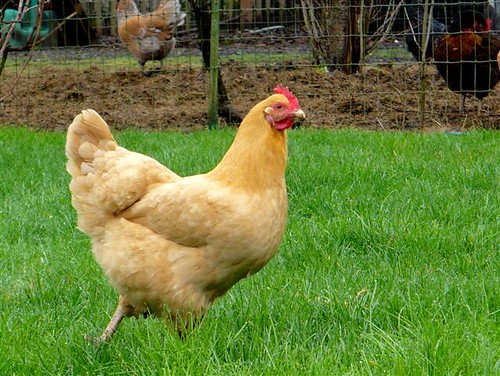
Definitely the question of the month...where are the eggs? My flock of about a dozen laying hens have been conspicuously absent from the egg laying business. Most winters our egg production will drop and perhaps even stop all together for awhile after a significant drop in temperatures. But no eggs at all? I'm not dealing well with this at all.
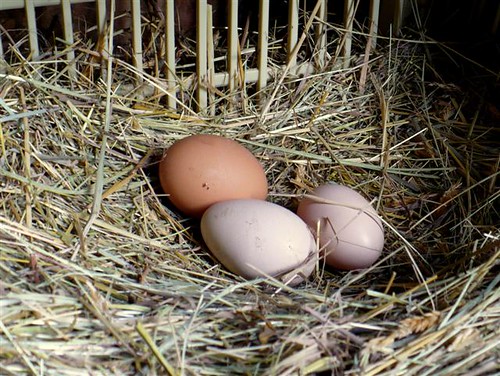
I know the basics: good poultry feed; 14-16 hours of light; shelter; all the stuff that we normally provide. So what would be the difference this year?
Well for one, I had slipped into the habit of buying an all-purpose 14% feed. Definitely not the protein or calcium that laying hens need. So two weeks ago, I updated their feed and have made a commitment to always have their feeder topped off so they are not tempted to forage so much and dilute their diet.
We have been running a light on a timer all winter with a few hours in the morning and a few more hours in the evening totaling 14 hours. But I may have stumbled upon something out of curiosity the other day. Online sources I referenced made mention of providing light obviously but some went so far as to suggest red or orange bulbs that would provide more of the natural spectrum light they need. Being lazy I just stuck in a regular light bulb in their house without a thought this fall. I'm beginning to wonder if it was not providing enough of the right type of light for them. In other years I have run a red heat lamp and have had great laying as mentioned above throughout the winter months.
Other than these two changes, there isn't much more I can do I suppose. Fresh water is out all the time. They have a fantastic house to roost in. Nice laying boxes filled with hay which they prefer to shavings. Satin pillows perhaps? Soothing music? It has been two weeks since the feed change and just this week with the new light. So I'm anticipating some eggs here real soon. The kids are anxiously waiting to feast on raw cookie dough again!
I know the basics: good poultry feed; 14-16 hours of light; shelter; all the stuff that we normally provide. So what would be the difference this year?
Well for one, I had slipped into the habit of buying an all-purpose 14% feed. Definitely not the protein or calcium that laying hens need. So two weeks ago, I updated their feed and have made a commitment to always have their feeder topped off so they are not tempted to forage so much and dilute their diet.
We have been running a light on a timer all winter with a few hours in the morning and a few more hours in the evening totaling 14 hours. But I may have stumbled upon something out of curiosity the other day. Online sources I referenced made mention of providing light obviously but some went so far as to suggest red or orange bulbs that would provide more of the natural spectrum light they need. Being lazy I just stuck in a regular light bulb in their house without a thought this fall. I'm beginning to wonder if it was not providing enough of the right type of light for them. In other years I have run a red heat lamp and have had great laying as mentioned above throughout the winter months.
Other than these two changes, there isn't much more I can do I suppose. Fresh water is out all the time. They have a fantastic house to roost in. Nice laying boxes filled with hay which they prefer to shavings. Satin pillows perhaps? Soothing music? It has been two weeks since the feed change and just this week with the new light. So I'm anticipating some eggs here real soon. The kids are anxiously waiting to feast on raw cookie dough again!
|
Thursday, August 19, 2010
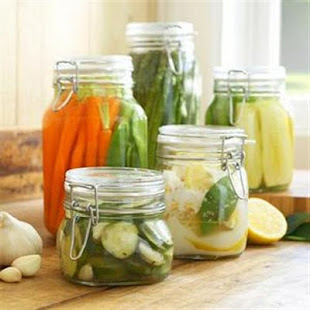
July Harvest and Preserving
Although I post to our Daily Harvest and Preserving pages almost daily, readers of this blog might not get a glimpse of what we grow and raise around here plus what we try to put away for later seasons. So my thought is to share from those links monthly in a separate post. Just looking back on what we had access to is sometimes quite surprising. Another reason to be thankful for the property we have and the ability to produce healthy foods for our family.
July's Produce
free-range eggs
twice-a-day goat milkings - ricotta, chevre, feta
snap and snow peas
strawberries
Russian and Nero kale
Swiss chard
endive
radicchio
radishes
green onions
Romaine lettuce
spinach
mache
arugula
snow and snap peas
winter mesclun mix
red onion thinnings
a tiny amount of basil prunings
fresh hardy herbs - chives, thyme, oregano
July's Preserving
7/1/10 - 14 oz. Romano goat cheese
7/2/10 - 14 oz. Parmesan goat cheese
7/8/10 - 10 oz. Italian seasoned ricotta salata
7/11/10 - 14 oz. Romano goat cheese
7/15/10 - 10 oz. plain ricotta salata
7/17/10 - 16 oz. Romano goat cheese (might not make it though)
7/19/10 - 18 oz. farmhouse goat cheddar
7/29/10 - 14 oz. Romano goat cheese
7/15/10 - 24 pounds blueberries u-picked from Redland Blueberries
(blueberry tart; 6 gallon bags frozen)
7/30/10 - 15 pounds blueberries u-picked from Redland Blueberries
(lost track of how many berries were frozen; lots though)
7/19/10 - 2 pint bags frozen Marionberries
7/23/10 - 2 pint bags frozen Marionberries
7/26/10 - 1 pint bag frozen Marionberries
7/29/10 - 2 pint bags frozen Marionberries
7/31/10 - 2 pint bags frozen Marionberries
7/28/10 - 12 oz. lime basil white wine vinegar
7/31/10 - 12 oz. thyme red wine vinegar
So as you can see this year has been a pretty productive gardening year for us. Plenty of material to work with and to be creative with in the kitchen.
July's Produce
free-range eggs
twice-a-day goat milkings - ricotta, chevre, feta
snap and snow peas
strawberries
Russian and Nero kale
Swiss chard
endive
radicchio
radishes
green onions
Romaine lettuce
spinach
mache
arugula
snow and snap peas
winter mesclun mix
red onion thinnings
a tiny amount of basil prunings
fresh hardy herbs - chives, thyme, oregano
July's Preserving
7/1/10 - 14 oz. Romano goat cheese
7/2/10 - 14 oz. Parmesan goat cheese
7/8/10 - 10 oz. Italian seasoned ricotta salata
7/11/10 - 14 oz. Romano goat cheese
7/15/10 - 10 oz. plain ricotta salata
7/17/10 - 16 oz. Romano goat cheese (might not make it though)
7/19/10 - 18 oz. farmhouse goat cheddar
7/29/10 - 14 oz. Romano goat cheese
7/15/10 - 24 pounds blueberries u-picked from Redland Blueberries
(blueberry tart; 6 gallon bags frozen)
7/30/10 - 15 pounds blueberries u-picked from Redland Blueberries
(lost track of how many berries were frozen; lots though)
7/19/10 - 2 pint bags frozen Marionberries
7/23/10 - 2 pint bags frozen Marionberries
7/26/10 - 1 pint bag frozen Marionberries
7/29/10 - 2 pint bags frozen Marionberries
7/31/10 - 2 pint bags frozen Marionberries
7/28/10 - 12 oz. lime basil white wine vinegar
7/31/10 - 12 oz. thyme red wine vinegar
So as you can see this year has been a pretty productive gardening year for us. Plenty of material to work with and to be creative with in the kitchen.
|
Thursday, August 5, 2010
Morning Chores
If you have pets at home, you have a few extra daily jobs to do. If you raise livestock, then you start calling that extra work chores. If your daughters raise the livestock, then you don't worry about the extra chores because your daughters take care of them.
HOWEVER...when those daughters are gone to camp or unavailable, those animals still need cared for. And guess who gets to step in? Yep, me.
So here's a taste of this morning's chores:
Scooped up daily allotment of food for both puppies; fed half this morning. Filled water dish.

Headed down to let out chickens.
Fed both horses and the donkey their hay.

Brought down one doe to get milked. After finishing her and while she was still on the milk stand, took hay to the buck pen. Returned Vega to the goat yard. Let out Kari.

Milked that doe. While she was still occupied with her grain, took grain out to the baby goat kid pen. Took Kari back to her yard. Let out Wroxy.

Milked her and took hay to the milking does and filled their waters while she was still on the stand. Filled chicken water pans. Returned Wroxy.
Threw out a scoop of feed to the chickens. Set out pan of goat milk for them to eat/drink.

Maneuvered two pails of milk and a hay carrier stuffed with hay up to the backyard where hay was delivered to goat kid pen. Filled water buckets for goat kids.
And I was done. Actually, it's not hard word. It's just that the efficiency expert in me tries to get it done in the least amount of time possible. I think I do a pretty good job actually. The horse and buck pens waters will get filled by the 20yo when I have her clean the stalls later today. At least I got out of that job!
So by now you're either feeling a little jealous because you've always wanted a hobby farm type of life, or you're laughing because these aren't real livestock chores as those dedicated farmers we owe our food to go through every day, or you're perfectly content to just read about the foolishness others get to go through.
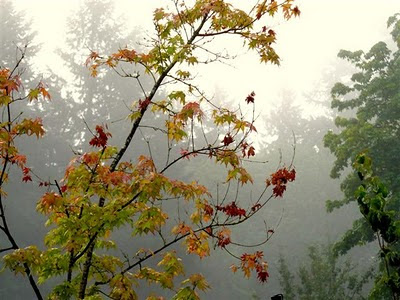
Either way if occasional chores get thrown my way, then there are no complaints. I relish the life we life out here, the quiet and peace, the outdoors all around us, and a little work just comes with the territory.
HOWEVER...when those daughters are gone to camp or unavailable, those animals still need cared for. And guess who gets to step in? Yep, me.
So here's a taste of this morning's chores:
Scooped up daily allotment of food for both puppies; fed half this morning. Filled water dish.

Headed down to let out chickens.
Fed both horses and the donkey their hay.

Brought down one doe to get milked. After finishing her and while she was still on the milk stand, took hay to the buck pen. Returned Vega to the goat yard. Let out Kari.

Milked that doe. While she was still occupied with her grain, took grain out to the baby goat kid pen. Took Kari back to her yard. Let out Wroxy.

Milked her and took hay to the milking does and filled their waters while she was still on the stand. Filled chicken water pans. Returned Wroxy.
Threw out a scoop of feed to the chickens. Set out pan of goat milk for them to eat/drink.

Maneuvered two pails of milk and a hay carrier stuffed with hay up to the backyard where hay was delivered to goat kid pen. Filled water buckets for goat kids.
And I was done. Actually, it's not hard word. It's just that the efficiency expert in me tries to get it done in the least amount of time possible. I think I do a pretty good job actually. The horse and buck pens waters will get filled by the 20yo when I have her clean the stalls later today. At least I got out of that job!
So by now you're either feeling a little jealous because you've always wanted a hobby farm type of life, or you're laughing because these aren't real livestock chores as those dedicated farmers we owe our food to go through every day, or you're perfectly content to just read about the foolishness others get to go through.

Either way if occasional chores get thrown my way, then there are no complaints. I relish the life we life out here, the quiet and peace, the outdoors all around us, and a little work just comes with the territory.
|
Friday, June 11, 2010
Do You Like Radishes?
Well, do you like radishes? Some people don't. They're spicy...too hot...tough...just don't care for them. Nice garnish, but nothing to really consider eating. I never was much of a store-bought radish person either. But home-grown radishes are really tasty. We have been growing Cherry Belle for the last few years, and then added Scarlet White Tip this year. These are good!
.JPG)
Radishes need to grow quickly enough to avoid being invaded by root maggots or becoming hot and tough, so they need plenty of cool, moist soil. They are a perfect vegetable for growing in the spring or late fall. The fact that they mature in 30-something days makes for a rewarding effort in the garden when there isn't much of anything else growing. OrganicGardening gives some great tips on growing radishes too.
But what to do with these guys other than putting into a salad? Here's what I do. It's not much of a recipe; pretty much more of a procedure:
Enjoy, and then find yourself making another helping.
It's the first part of June here, and the radishes are still growing strong. So I've kept up my succession planting. We've had an extremely damp, cool spring which has probably helped. I know that once our temperatures start climbing, the radishes will just be a memory until fall.
.JPG)
Radishes need to grow quickly enough to avoid being invaded by root maggots or becoming hot and tough, so they need plenty of cool, moist soil. They are a perfect vegetable for growing in the spring or late fall. The fact that they mature in 30-something days makes for a rewarding effort in the garden when there isn't much of anything else growing. OrganicGardening gives some great tips on growing radishes too.
But what to do with these guys other than putting into a salad? Here's what I do. It's not much of a recipe; pretty much more of a procedure:
Toast a somewhat thick slice of peasant/rustic bread.
Butter it. (THIS is the key ingredient. Don't skip this step.)
Layer thinly sliced radishes over the entire slice.
Sprinkle with kosher salt. (Table salt would work but would not taste quite the same.)
Enjoy, and then find yourself making another helping.
It's the first part of June here, and the radishes are still growing strong. So I've kept up my succession planting. We've had an extremely damp, cool spring which has probably helped. I know that once our temperatures start climbing, the radishes will just be a memory until fall.
|
Tuesday, June 8, 2010
Weaning Goat Kids

|
Thursday, May 27, 2010
Curled Toes and Riboflavin Deficiency in Chicks
I hate when you have to learn something the hard way. This week's lesson: riboflavin deficiency in poultry which causes curled toes and eventual paralysis.
One of our sexlink hens brooded a clutch of nine eggs and hatched out six of those on May 9. Now 16 days later, we discovered one of the chicks outside, alone, unable to move with a case of curled toes. Now perhaps I haven't done my research properly, but from what I can tell, this is a common reaction to vitamin B2, or riboflavin, deficiency.

Here's how I believe it happened. Momma hen has her six chicks with her foraging along side the other hens. Although I have tried to pull them aside and feed the chicks the normal chick starter/grower feed that we use for our replacement hens, it has been difficult to keep our egg layers from consuming it. As it is medicated, I don't want that feed entering our egg supply. The chick in question has always been the one to lag behind and more than likely is not receiving his fair share. My guess is that in the larger picture of our poultry set up, this little chick has simply not received adequate nutrition.
These links were helpful in doing my own diagnosis:
Merk Vet Manual
World Poultry
Backyard Chickens
Backyard Chickens
From what I could tell, if nutrition is corrected as soon as the deficiency is noticed by giving Poly Vi Sol infant vitamin drops, then it is possible to reverse the situation. We're not quite to 24 hours yet after starting this chick's recovery process, but it seems to have worsened instead. We can only hope that it will in time pull out, but frankly I'm not hopeful.
With our recent heavy bout of rain, it has been hard to keep tabs on the chicks as momma has had to keep them brooded to stay warm, and we have simply not been outside as much. Lesson learned I guess.
So what are we going to do to keep the other chicks healthy? I'm contemplating a design to allow the chicks to "creep feed" as is done with other livestock. The smaller, younger animals are able to access feedstuffs available for their consumption only and not by the older, larger animals.
Although we have not experienced this situation before raising chicks in a similar manner, it is a concern that we will need to address to keep it from happening again.
If you've had experience with a similar deficiency, leave me a comment. I'd like to hear what advice you have to offer.
One of our sexlink hens brooded a clutch of nine eggs and hatched out six of those on May 9. Now 16 days later, we discovered one of the chicks outside, alone, unable to move with a case of curled toes. Now perhaps I haven't done my research properly, but from what I can tell, this is a common reaction to vitamin B2, or riboflavin, deficiency.

Here's how I believe it happened. Momma hen has her six chicks with her foraging along side the other hens. Although I have tried to pull them aside and feed the chicks the normal chick starter/grower feed that we use for our replacement hens, it has been difficult to keep our egg layers from consuming it. As it is medicated, I don't want that feed entering our egg supply. The chick in question has always been the one to lag behind and more than likely is not receiving his fair share. My guess is that in the larger picture of our poultry set up, this little chick has simply not received adequate nutrition.
These links were helpful in doing my own diagnosis:
Merk Vet Manual
World Poultry
Backyard Chickens
Backyard Chickens
From what I could tell, if nutrition is corrected as soon as the deficiency is noticed by giving Poly Vi Sol infant vitamin drops, then it is possible to reverse the situation. We're not quite to 24 hours yet after starting this chick's recovery process, but it seems to have worsened instead. We can only hope that it will in time pull out, but frankly I'm not hopeful.
With our recent heavy bout of rain, it has been hard to keep tabs on the chicks as momma has had to keep them brooded to stay warm, and we have simply not been outside as much. Lesson learned I guess.
So what are we going to do to keep the other chicks healthy? I'm contemplating a design to allow the chicks to "creep feed" as is done with other livestock. The smaller, younger animals are able to access feedstuffs available for their consumption only and not by the older, larger animals.
Although we have not experienced this situation before raising chicks in a similar manner, it is a concern that we will need to address to keep it from happening again.
If you've had experience with a similar deficiency, leave me a comment. I'd like to hear what advice you have to offer.
|
Tuesday, May 18, 2010
My Techie Garden - PlanGarden.com
I debated last gardening seasoning whether to spring for an online subscription to PlanGarden.com. What is PlanGarden.com? Well, imagine it as an online tool allowing you to track the seeds you start, when you transplant, your harvest details, plus a visual layout of the garden. There are probably other online gardening tools out there, but I'm perfectly happy with PlanGarden.com after stumbling upon it. I started using their 45-day free trial early this spring, and by the time that subscription ran out, I was convinced it was worth paying $20 for a full year's access.
One cool feature is the ability to take a snapshot of the screen which can then be printed out or uploaded to your blog as I have done here.

A series of snapshots could be filed in your garden notebook by month showing your progress. Yes, the one I mean to start. But I'm really anxious to use the harvest feature. What better way to determine if a particular variety grew well or even met your taste expectations at the end of the year. I am prone to forgetting exactly which variety of lettuce I really enjoyed or which tomato succumbed to blight early. Their online tracking and ability to enter daily notes will take care of all that for me. There are also handy planting calendars and harvest calculators as well as tutorials to help you get started.
Or if you want to link your PlanGarden site to your blog, you can also do that as I have done here.
Abernathy Creek Farm Garden Design
If you want to check out what their site has to offer, click on the link below.

They also feature gardeners and their PlanGarden sites which can be inspiring or intimidating depending on how you look at it. I'm just excited to finally have a tool to use that won't get left out in the rain to run the ink or disappear from one gardening season to the next. A perfect mix of technology and good old fashioned hard work I say.
One cool feature is the ability to take a snapshot of the screen which can then be printed out or uploaded to your blog as I have done here.

A series of snapshots could be filed in your garden notebook by month showing your progress. Yes, the one I mean to start. But I'm really anxious to use the harvest feature. What better way to determine if a particular variety grew well or even met your taste expectations at the end of the year. I am prone to forgetting exactly which variety of lettuce I really enjoyed or which tomato succumbed to blight early. Their online tracking and ability to enter daily notes will take care of all that for me. There are also handy planting calendars and harvest calculators as well as tutorials to help you get started.
Or if you want to link your PlanGarden site to your blog, you can also do that as I have done here.
Abernathy Creek Farm Garden Design
If you want to check out what their site has to offer, click on the link below.
They also feature gardeners and their PlanGarden sites which can be inspiring or intimidating depending on how you look at it. I'm just excited to finally have a tool to use that won't get left out in the rain to run the ink or disappear from one gardening season to the next. A perfect mix of technology and good old fashioned hard work I say.
|
Tuesday, May 4, 2010
She's Outgrown Her Miniature Horse


This is a hard post to write, but we have finally made the decision to move our miniature horse, Nick, along to a home where he can be used by another family. We purchased him as a three-year-old stud and stopped to have him gelded on the trailer ride home. We had known him since a colt and knew that as he was harness broke, so quick to learn, and flashy to boot with his pinto markings and blue eye that he would make a great equestrian and 4H prospect for our oldest daughter. She used him her first year in OHSET and then moved on to target gaming and cow events with her quarter horse.


What to do with Nick now that we had him and were in love with him? Our youngest at the time was five, so he became her "pony". She quickly learned to ride him lead line, be the one to catch him up in the field and bring him, do his grooming and bathing, and love all over him. As she became more confident, we turned the reins over to her, and he was hers to ride all over the property. We turned our backs to only find her jumping him over obstacles, leading him through all sorts of mazes and trail obstacles she set up, or sneaking him into the house. They've made plenty of memories together.


But as you grow up, you also do so in size. She is now simply too large for him...feet can almost touch the ground...and it's time for him to be loved on and put to work by another family. It's a sad day for me and a sad day for her as well.
Saturday, April 24, 2010
Our 2010 herd sire Mystic Hollow Geronimo
We are pleased to introduce our 2010 herd sire, Mystic Hollow Geronimo, a registered Nigerian Dwarf buck. He was added to our herd last fall as the primary buck for our dairy does. He successfully bred our four miniature dairy does as well as our Oberhasli doe producing a first generation miniature Oberhasli with that breeding. We just received word that his sire Copper Penny MTB Money To Burn "Burnie" just received 2010 Best in Show at the Mega Buck Show. Good bloodlines through and through.
 'Mo' has to be the friendliest buck I've encountered. He's easy to handle, has a great disposition, and a cutie besides. We have five sets of his kids on the ground and are pleased with everyone...7 doelings and 2 bucklings. Not a bad ratio at all either.

|
Wednesday, April 21, 2010
Asparagus
This week has been marked by our first asparagus harvest. Probably due to the fact that I took a little time in early February to cut down the old fronds, pull some major weeds, and drag a little compost over the bed, the asparagus is looking marvelous.
It looked so marvelous in fact that my neighbor who happened to be outside stopped me and asked if that was really asparagus. I walked over to the fence to show him and asked him if he wanted a taste. He asked if it could really be eaten raw, at which point I couldn't actually remember eating it raw myself, but replied, "Sure," and popped some in my mouth as well. It was so sweet and tender, I began to wonder why I even cook it at all.

Needless to say, I now only lightly steam my garden asparagus. Last night's was served with a little squirt of Bistro Sauce from Cash and Carry which has just enough horseradish in it to make it interesting. Oh, so good.
They say you can harvest an established bed for up to eight weeks. I can only hope I've kept the bed even somewhat vigorous for a harvest even half that long. Checking OrganicGardening.com for their asparagus gardening tips it would seem I'm on the right track...removing dead fronds before the growing season, keeping the bed as weed free as possible, and mulching in early spring. As I didn't get any fertilizer put down this spring other than the composted manure, I will be sure to add some after the main harvest is over in order to strengthen the plants for next year.
Any way to coax more asparagus out of the ground each spring will be high on my priority list from now on.
It looked so marvelous in fact that my neighbor who happened to be outside stopped me and asked if that was really asparagus. I walked over to the fence to show him and asked him if he wanted a taste. He asked if it could really be eaten raw, at which point I couldn't actually remember eating it raw myself, but replied, "Sure," and popped some in my mouth as well. It was so sweet and tender, I began to wonder why I even cook it at all.

Needless to say, I now only lightly steam my garden asparagus. Last night's was served with a little squirt of Bistro Sauce from Cash and Carry which has just enough horseradish in it to make it interesting. Oh, so good.
They say you can harvest an established bed for up to eight weeks. I can only hope I've kept the bed even somewhat vigorous for a harvest even half that long. Checking OrganicGardening.com for their asparagus gardening tips it would seem I'm on the right track...removing dead fronds before the growing season, keeping the bed as weed free as possible, and mulching in early spring. As I didn't get any fertilizer put down this spring other than the composted manure, I will be sure to add some after the main harvest is over in order to strengthen the plants for next year.
Any way to coax more asparagus out of the ground each spring will be high on my priority list from now on.
Subscribe to:
Posts (Atom)


.JPG)
.jpg)




.jpg)

 Posts
Posts


